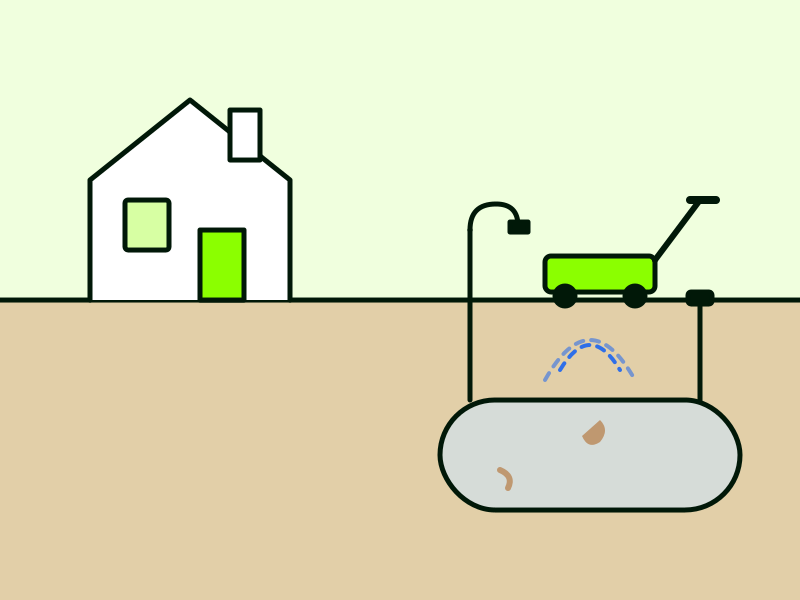

Gas stations and dry cleaners are two of the most common sources of soil and groundwater contamination in commercial real estate. That doesn't mean you shouldn't buy one, or a strip center that once had one. It means you should know what you're buying, and plan the due diligence so it doesn't derail your closing.
Gas stations and underground storage tanks
The main concern is petroleum from leaking underground storage tanks (USTs), piping and dispensers. Gasoline constituents such as benzene can move through soil into groundwater and, in some cases, into buildings as vapor.
- Ask for tank registration, leak detection and tightness testing records, and any closure reports for removed tanks.
- Check the state UST and leaking UST (LUST) databases. Your Phase I records review will cover them.
- Many states have petroleum cleanup funds that may cover part of the cost of addressing eligible releases. Eligibility rules vary by state.
- For SBA loans, a Phase I is required, plus documentation of regulatory compliance such as tank and equipment testing. See SBA environmental rules.
Dry cleaners and chlorinated solvents
Many dry cleaners have used tetrachloroethylene (PCE, also called perc). Small, repeated spills can reach soil and groundwater, and PCE breaks down into other chlorinated compounds such as TCE. These chemicals can migrate as vapor into the building and into neighboring units, which is why vapor intrusion is a key concern in shopping centers.
- Find out how long the cleaner has operated, whether cleaning was done on site or the store was only a drop-off, and what solvent was used.
- Some states have dry cleaner cleanup programs that may help with eligible sites.
- For SBA loans, properties with on-site dry cleaning require both a Phase I and a Phase II ESA.
Auto repair and other high-risk uses
Auto repair shops, body shops, printers, machine shops and plating operations raise similar concerns: solvents, oils and metals. Your Phase I traces these uses through historical sources such as fire insurance maps and city directories, including on adjoining properties.
How to keep the deal moving
- Order the Phase I immediately after signing. Breeze delivers in about 10 days, or about 5 with rush.
- Ask the seller for all prior environmental reports and tank records on day one.
- If a Phase II is likely, ask for it to be scoped and quoted alongside the Phase I so testing can start the day the Phase I is final.
- Negotiate a due diligence period long enough for both.
- Use the results: clean data supports the loan, and confirmed contamination supports price, escrow or indemnity negotiations.
Frequently asked questions
Can I get a loan on a former gas station?
Yes. Lenders regularly finance former and operating gas stations. Expect a Phase I, tank compliance documentation and, if the Phase I recommends it, a Phase II.
What is vapor intrusion?
Vapor intrusion is when chemical vapors from contaminated soil or groundwater move into a building through the foundation. It's a common concern at and near dry cleaners and gas stations, and is evaluated with soil-gas or sub-slab sampling.
This article is general information about environmental due diligence and is not legal advice. Requirements can change; confirm specifics with your lender or attorney.