Unlike a Phase I, a Phase II ESA has no standard scope. It's designed around the specific recognized environmental conditions your Phase I found, so cost varies more. Industry sources commonly put a typical limited commercial Phase II somewhere in the range of about $6,000 to $25,000, with large or complex investigations costing much more. A single-area investigation with a few soil borings sits at the low end; groundwater wells, vapor sampling and multiple areas of concern push it higher.
What drives the cost
- Number of sampling locations. Each boring, well or vapor point adds drilling time and lab samples.
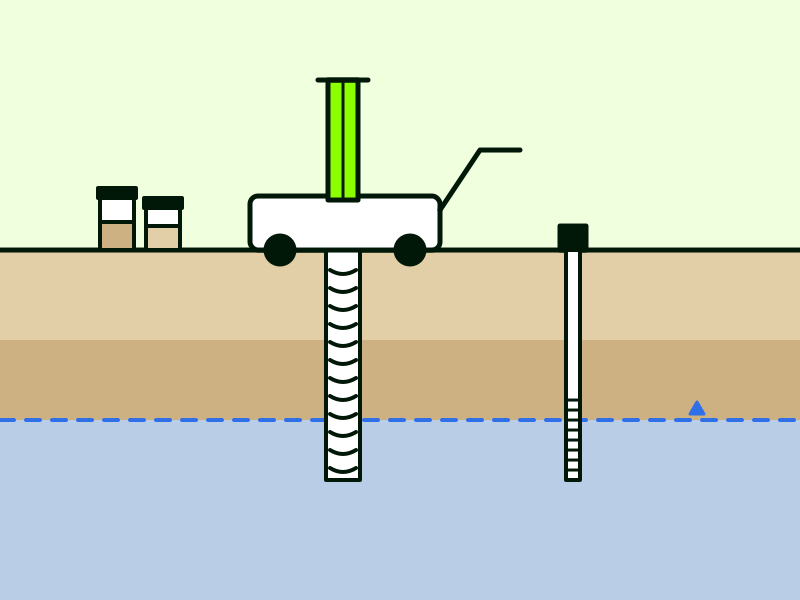
- Drilling method and depth. Direct-push rigs are faster and cheaper than augers; deeper groundwater takes longer.
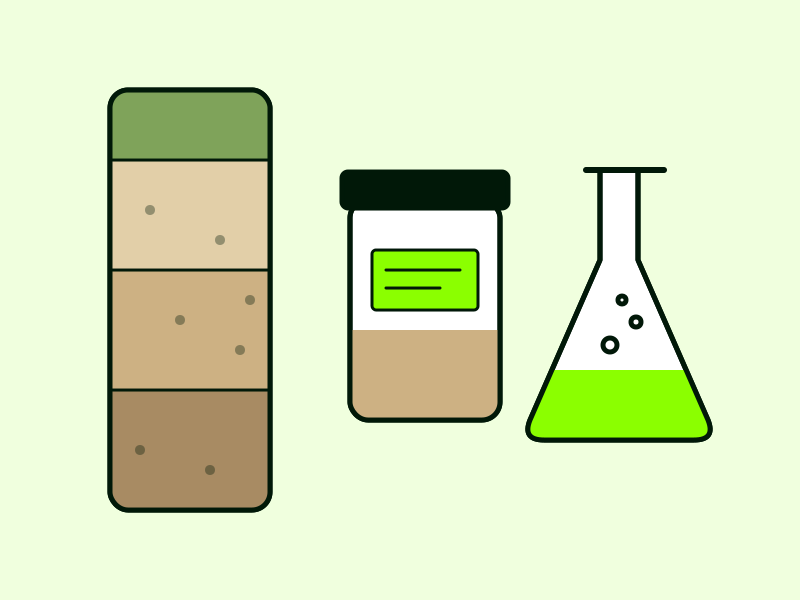
- Laboratory analysis. Petroleum, VOCs, SVOCs, metals, PCBs and PFAS each cost differently, and rush turnaround costs more.
- Groundwater and vapor work. Wells and vapor points add equipment and sampling time.
- Site conditions. Indoor work, thick concrete, limited access or required geophysical surveys add cost.
- Utility clearance. Private utility locating is often needed before drilling.
Typical timeline
| Stage | Typical time |
|---|---|
| Scoping and proposal | A few business days |
| Utility clearance and scheduling a driller | About 3–7 business days |
| Field sampling | Usually 1–2 days for a limited Phase II |
| Laboratory analysis | About 5–10 business days standard; rush available |
| Report | A few days after lab results |
All in, a limited Phase II often takes about two to four weeks. Larger investigations can take four to eight weeks or more.
How to keep a Phase II focused and on budget
- Start from a good Phase I. A clear REC tells the sampling plan exactly where to look.
- Get a fixed-price proposal. Breeze quotes every Phase II as a fixed price before work starts.
- Sample for what matters. Lab tests should match the contaminants the site history suggests, not every test on the menu.
- Share prior reports. Earlier investigations, tank closure records or permits can reduce the number of samples needed.
- Plan around your closing date. Rush lab turnaround costs more but can save a deal.
Frequently asked questions
Why don't Phase IIs have a flat price?
Because the scope depends on what the Phase I found. One REC might need three soil borings; another might need groundwater wells and vapor sampling. Breeze gives a fixed price for your specific scope before work starts.
Who pays for a Phase II?
Usually the buyer or borrower, though it's negotiable. Sellers sometimes pay or share the cost to keep a deal moving.
This article is general information about environmental due diligence and is not legal advice. Requirements can change; confirm specifics with your lender or attorney.