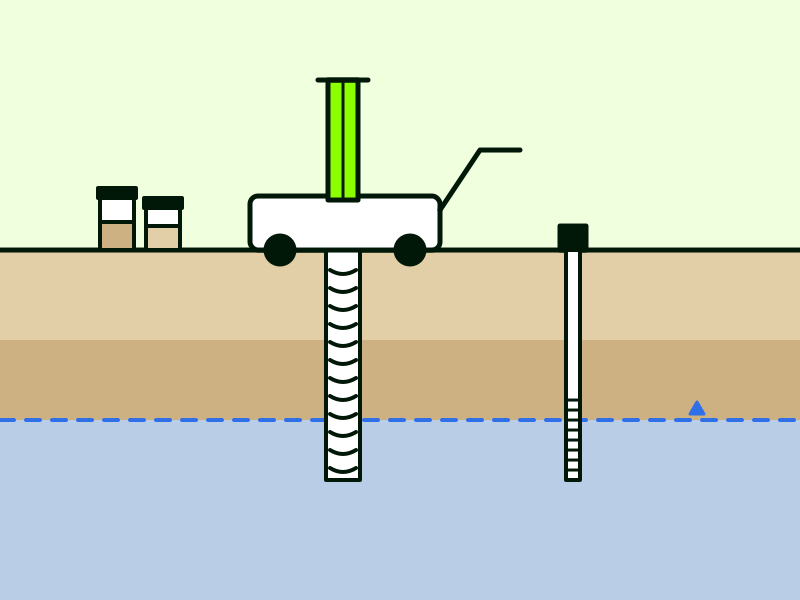
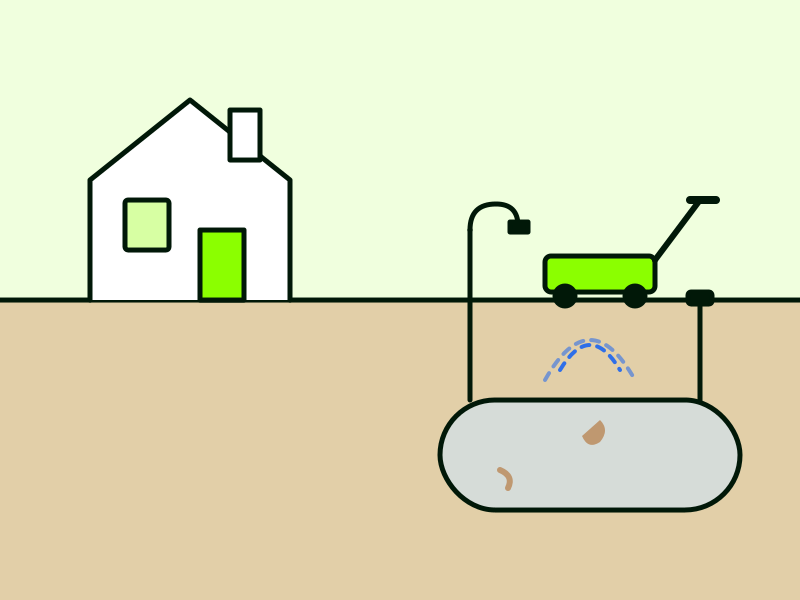
A recognized environmental condition (REC) is the key finding in a Phase I ESA. Under ASTM E1527-21, a REC is (1) the presence of hazardous substances or petroleum products at a property due to a release to the environment, (2) their likely presence due to a release or likely release, or (3) their presence under conditions that pose a material threat of a future release.
In plain terms, a REC means the Environmental Professional thinks contamination is more likely than not, based on the evidence available.
Common examples
- A former gas station with underground storage tanks
- A current or former dry cleaner using chlorinated solvents
- Stained soil, leaking drums or abandoned tanks seen during the site visit
- Historic manufacturing, plating or auto repair
- A documented release on an adjoining property that may be migrating onto yours
Related terms you'll see in a Phase I
| Term | What it means |
|---|---|
| REC | Contamination is present or likely, or there's a material threat of a release. |
| CREC (controlled REC) | A past release was addressed to regulators' satisfaction but left contamination in place, managed by controls such as a deed restriction or a cap. |
| HREC (historical REC) | A past release was cleaned up to unrestricted-use standards, with no controls needed. |
| De minimis condition | A minor condition, such as a small oil stain, that would not be the subject of enforcement action. |
| Business environmental risk | A concern outside the ASTM scope that could still matter to the deal, such as asbestos, radon or wetlands. |
| Data gap | Missing information. A significant data gap is one that affects the EP's ability to identify RECs. |
What to do if your Phase I finds a REC
- Read the EP's explanation. The report should explain why the condition is a REC and whether further investigation is recommended.
- Talk to your lender. Many lenders require the REC to be investigated before closing.
- Consider a Phase II. Targeted sampling is often the fastest way to resolve the question. See Phase I vs. Phase II.
- Use it in negotiation. A REC can support a price reduction, escrow, seller indemnity or extended due diligence period.
Frequently asked questions
Does a REC mean the property is contaminated?
Not necessarily. A REC means contamination is present or likely based on available evidence. A Phase II with sampling can confirm whether it is actually there and at what levels.
Can I still buy a property with a REC?
Yes, many buyers do. The REC informs your lender's requirements, your negotiation and whether a Phase II is needed before closing.
This article is general information about environmental due diligence and is not legal advice. Requirements can change; confirm specifics with your lender or attorney.