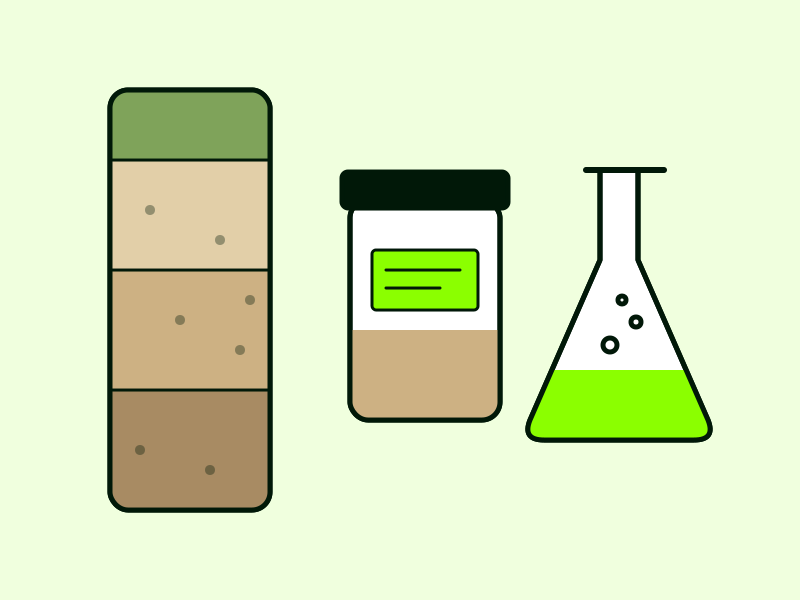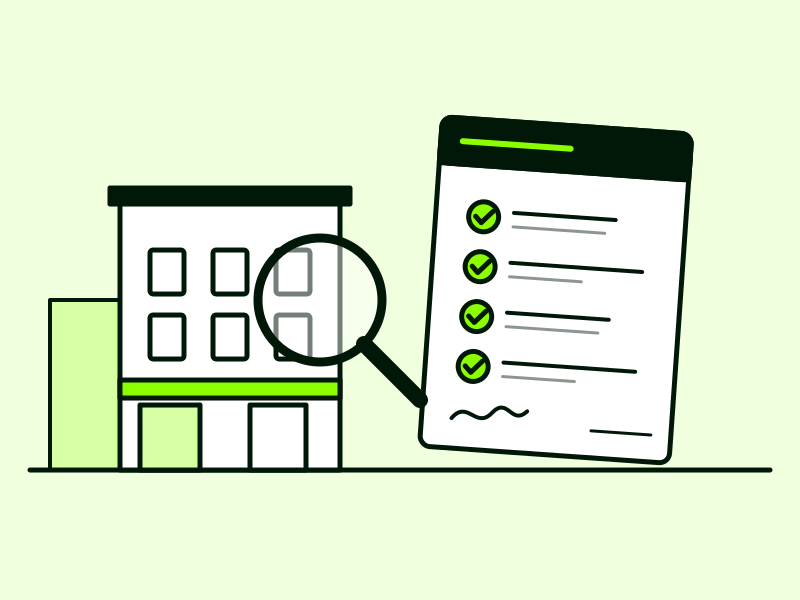
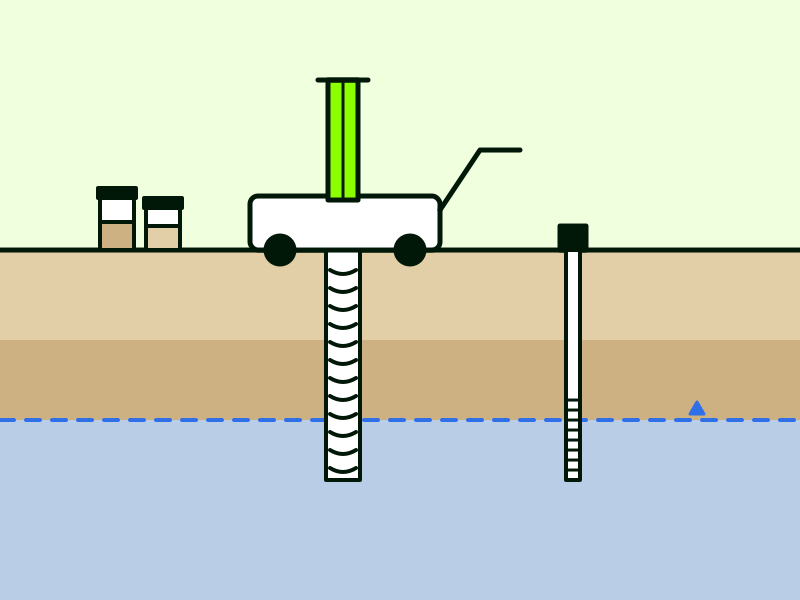
A Phase I ESA is a non-intrusive investigation. It uses records, interviews and a site visit to decide whether contamination is likely. A Phase II ESA is intrusive: it collects soil, groundwater or soil-vapor samples and has them analyzed by a laboratory to confirm whether contamination is actually present.
Most transactions only need a Phase I. A Phase II comes next when the Phase I identifies a recognized environmental condition that warrants testing, or when a lender or a specific rule requires it.
Side-by-side comparison
| Phase I ESA | Phase II ESA | |
|---|---|---|
| Purpose | Identify likely contamination | Confirm and measure contamination |
| Standard | ASTM E1527-21 | ASTM E1903-19 |
| Methods | Records, history, interviews, site visit | Soil borings, wells, vapor points, lab analysis |
| Typical timeline | About 2 weeks (Breeze: ~10 days) | About 2–8 weeks, depending on scope |
| Cost | Breeze: $2,450 flat | Quoted per project based on scope |
| Needed for | Most commercial loans and CERCLA defenses | Following up on RECs; some lender rules |
When a Phase I leads to a Phase II
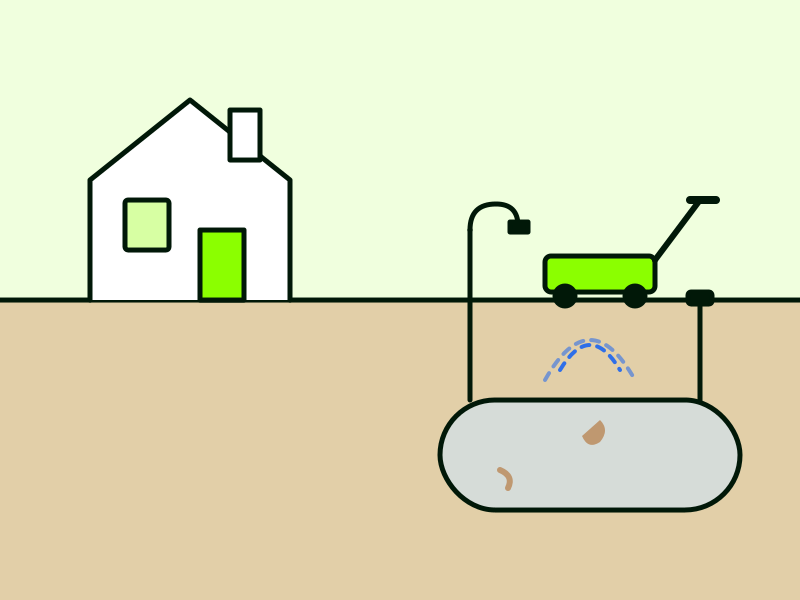
Common triggers include a former gas station or underground storage tanks, a current or former dry cleaner, auto repair or industrial history, fill of unknown origin, or a known release on a neighboring property. The Environmental Professional explains why each REC matters and whether sampling is recommended.
Some rules require a Phase II regardless. For example, the SBA's environmental policy calls for both a Phase I and a Phase II for properties with on-site dry cleaning.
Can you skip straight to a Phase II?
Rarely. Without a Phase I, you don't know where to sample, and a Phase II alone doesn't satisfy All Appropriate Inquiries. The Phase I tells the Phase II where to look, which keeps the sampling focused and the cost down.
What about a "Phase III"?
The term is used informally for remediation: designing and carrying out cleanup when a Phase II confirms contamination above regulatory standards. Many sites never get there, because Phase II results are often below cleanup levels or can be managed through a deal structure or risk-based closure.
Frequently asked questions
Is a Phase II always required after a Phase I?
No. A Phase II is only recommended when the Phase I identifies a recognized environmental condition that warrants testing, or when a lender or regulation requires it.
Can the same company do both?
Yes, and it usually saves time. Breeze can scope and quote a Phase II as soon as a Phase I recommends one, and can also work from a Phase I prepared by another firm.
This article is general information about environmental due diligence and is not legal advice. Requirements can change; confirm specifics with your lender or attorney.