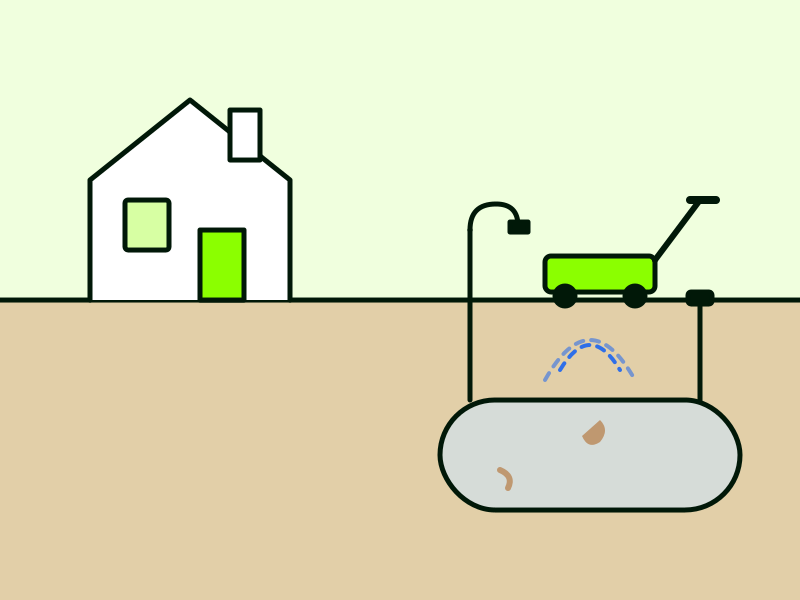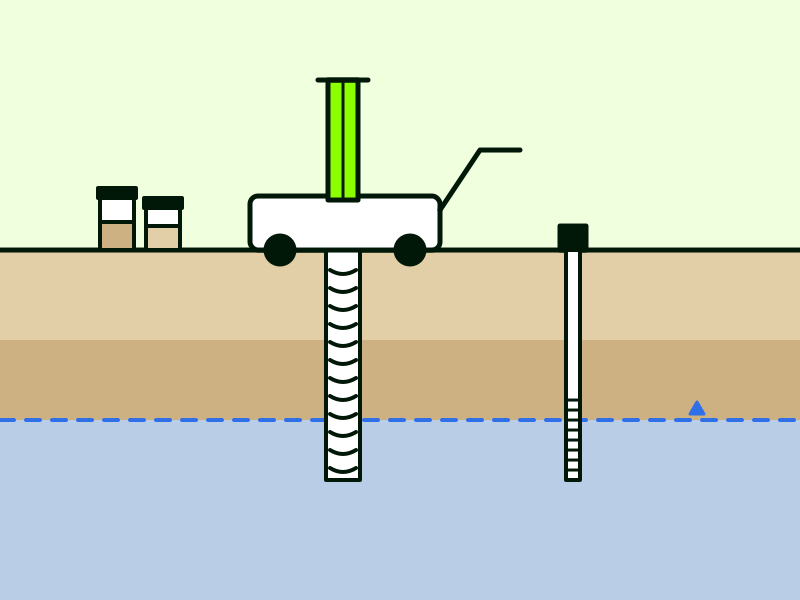

A Phase I Environmental Site Assessment (ESA) is a professional investigation into whether a property may be contaminated by hazardous substances or petroleum products. It's done before a purchase, refinance or development, and it relies on records, interviews and a site visit. A Phase I does not involve drilling or lab testing. If it finds evidence of likely contamination, it may recommend a Phase II ESA, which does.
In the United States, Phase I ESAs follow ASTM E1527-21, the standard practice that EPA recognizes as satisfying its All Appropriate Inquiries (AAI) rule. That connection matters: a properly completed Phase I is one of the steps a buyer takes to qualify for liability protection under the federal Superfund law, CERCLA.
Who needs a Phase I ESA?
- Commercial real estate buyers who want protection from inheriting someone else's cleanup costs.
- Borrowers, because most banks, SBA lenders, CMBS lenders and private lenders require a Phase I before they lend against commercial property. See when the SBA requires one.
- Developers who need to understand environmental risk and cost before committing to a site.
- Owners and landlords documenting baseline conditions before a new tenant moves in, or before a sale.
Residential home purchases rarely need a Phase I. Multifamily, mixed-use, retail, office, industrial, hospitality, gas station and vacant land transactions usually do.
What a Phase I includes
ASTM E1527-21 sets out four core components, each carried out or overseen by an Environmental Professional (EP) who meets federal qualification requirements:
- Records review. Federal, state, tribal and local environmental databases within set search distances, plus historical sources such as fire insurance maps, aerial photographs, city directories and topographic maps, to trace how the property and its neighbors have been used.
- Site reconnaissance. An in-person visit to observe the property and adjoining properties: tanks, drums, stains, odors, drains, stressed vegetation, fill and other signs of a release.
- Interviews. Conversations with the current owner and occupants and, where useful, local government officials.
- Evaluation and report. The EP's findings, opinions and conclusions, including any recognized environmental conditions.
The person ordering the Phase I (the "user") also has responsibilities, such as searching for environmental liens and sharing any specialized knowledge they have about the property.
What a Phase I can find
The key output is whether the property has a recognized environmental condition (REC), meaning the presence or likely presence of hazardous substances or petroleum due to a release, or a material threat of one. The report may also identify controlled RECs (CRECs), historical RECs (HRECs), de minimis conditions and data gaps.
A "clean" Phase I with no RECs is the outcome most lenders want. If RECs are found, the EP usually explains whether further investigation is warranted.
How long it takes and how long it's good for
A typical Phase I takes about two weeks; Breeze delivers in about 10 days, or about 5 with rush. Under AAI, key parts of the report must be completed within 180 days before you acquire the property, and the report as a whole is generally considered viable for one year if those components are updated. We cover the details in how long a Phase I takes and how long it's valid.
What it costs
Phase I fees vary widely across the industry, often from about $2,000 to $5,000 for typical commercial properties, and more for large or complex industrial sites. Breeze charges $2,450 flat anywhere in the U.S. for every property type up to 640 acres, including multi-parcel sites. Read more in how much a Phase I ESA costs.
What a Phase I does not cover
Some issues fall outside the ASTM scope unless you add them: asbestos, lead-based paint, radon, mold, wetlands, lead in drinking water and certain emerging contaminants. If your lender or plans require them, they can be added. Breeze offers asbestos surveys and lead paint testing alongside the Phase I.
Frequently asked questions
Is a Phase I ESA required by law?
No federal law requires a Phase I for every purchase, but completing one that meets All Appropriate Inquiries is a condition for certain CERCLA liability defenses, and most commercial lenders require one as a loan condition.
Does a Phase I include soil or groundwater testing?
No. A Phase I relies on records, interviews and a site visit. Sampling happens in a Phase II ESA if the Phase I recommends it.
Who signs a Phase I report?
An Environmental Professional who meets the qualifications in 40 CFR 312.10 must sign the report's findings and conclusions.
This article is general information about environmental due diligence and is not legal advice. Requirements can change; confirm specifics with your lender or attorney.